
ZipWake vs Seakeeper Ride: In-Depth Comparison for Boaters
Choosing the right stabilization system for your boat can make a big difference in your comfort and safety on the water. Both ZipWake and Seakeeper Ride mount on your transom and automatically control pitch and roll while you’re underway, but they use different technology and come with distinct advantages depending on your needs.
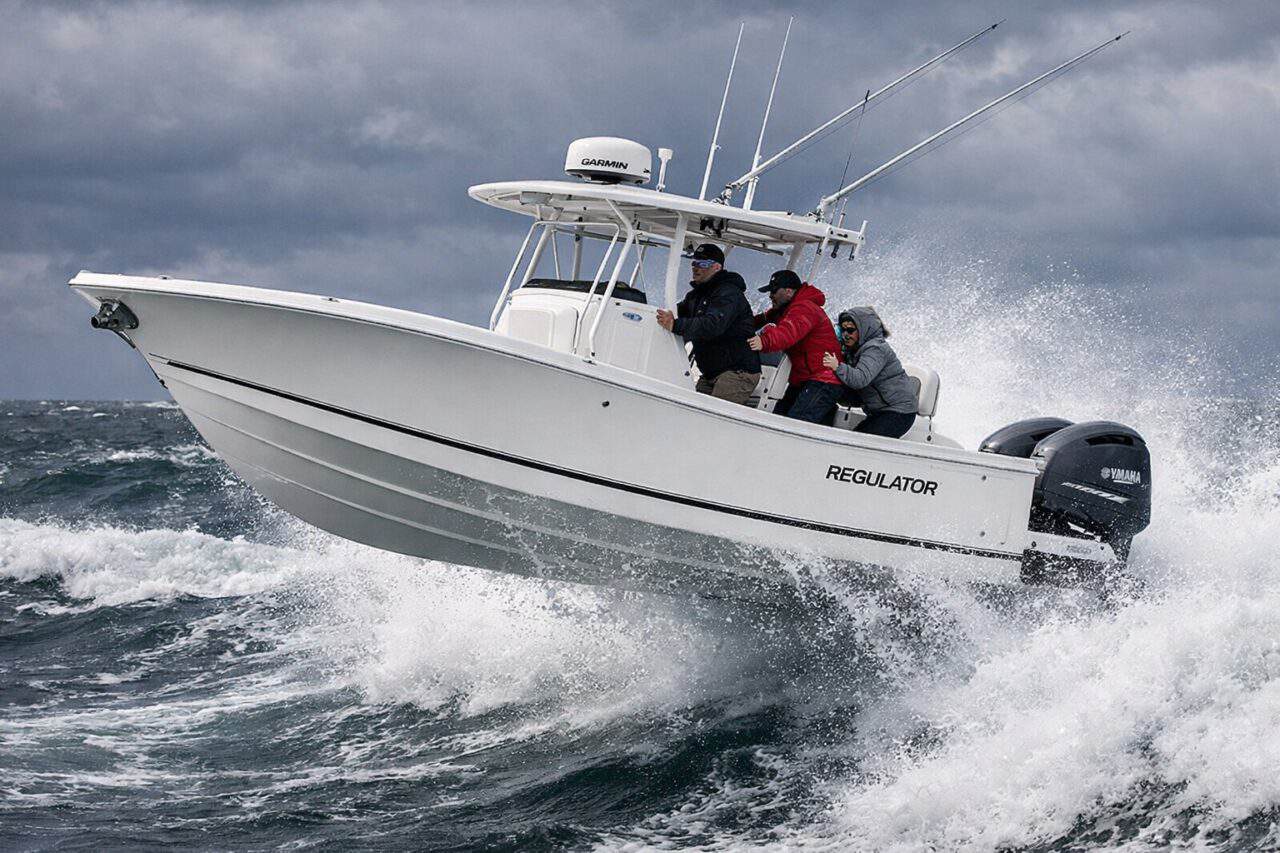
ZipWake has been around since 2014 and works with over 100 boatbuilders, while Seakeeper Ride launched in 2022 and partners with roughly 30 boatbuilders. The systems differ in how fast they react, how they install, what boats they fit, and how much they cost. ZipWake offers more model options and allows you to install it yourself, while Seakeeper Ride requires certified dealer installation and claims faster response times.
Understanding the key differences between these automated trim systems will help you pick the right one for your boat size, budget, and how you use your vessel. We’ll walk you through everything from performance and installation to pricing and real-world user experiences so you can make an informed decision.
Core Differences Between ZipWake and Seakeeper Ride
The main differences between these two systems come down to how fast they work and what technology they use to control your boat’s movement. Seakeeper Ride actuators move much faster than ZipWake interceptors, which affects how well each system handles rough water.
Trim Technology and Operation
ZipWake uses interceptors that are bolted onto your transom. These interceptors are blades that drop down from the bottom of your boat to create lift and control motion. The ZipWake system has been around for about 10 years and uses a proven design.
Seakeeper Ride takes a different approach with rotating control surfaces instead of dropping blades. Seakeeper Ride actuators move 40 times faster than Lenco Pro Control and 20 times faster than ZipWake. This speed makes a big difference in how quickly your system can react to waves.
The installation is different for each system too. ZipWake gets bolted on, while Seakeeper Ride is glued on after gel coat removal. The Seakeeper Ride system also sticks out farther from your transom than ZipWake.
Pitch and Roll Control Capabilities
Both systems control pitch and roll, but they do it at different levels. The ZipWake system begins having trim authority at 10 mph and full stabilization benefits start around 20 to 25 mph. Seakeeper claims its system actuates at even greater speed than the ZipWake interceptors.
Seakeeper Ride uses a variable gain algorithm that automatically adjusts to sea state, sea direction, and hull shape. You don’t need to tune or commission the system during operation. This makes the controllers smarter about handling different conditions.
ZipWake offers good automated trim control but works more like an advanced trim tab system. It reduces your workload by automating basic trim functions rather than providing full dynamic stabilization across all three axes.
Transom-Mounted Device Designs
While both systems involve similar components and below-the-waterline installations on the transom, the installation process is different for each. The physical design affects both performance and how much space you need.
ZipWake interceptors sit closer to your transom and take up less space. This can be better if you have limited room or want a cleaner look. The bolted installation also makes future maintenance or removal easier.
Seakeeper Ride’s rotating control surfaces extend farther back from your transom. The glued installation creates a permanent bond that some boaters might not want. However, this design allows for the faster actuation speeds that give Seakeeper Ride its performance advantage in rough conditions.
Performance and Handling on the Water
Both systems actively manage your boat’s motion while underway, but they differ in how quickly they respond and what movements they control. Seakeeper Ride tackles pitch, roll, and yaw simultaneously, while Zipwake focuses primarily on pitch and roll adjustments.
Leveling and Attitude Adjustments
When you’re running your boat, both systems work to keep it level and comfortable. Zipwake and Seakeeper Ride both offer automated trim systems that control underway roll and pitch with devices mounted on your transom.
The key difference is in motion control capability. Seakeeper Ride functions as a vessel attitude control system that manages three axes of motion. It reduces pitch, roll, and yaw at the same time. Zipwake concentrates on pitch and roll reduction, requiring you to manually adjust pitch bias in some situations.
Testing showed Seakeeper Ride provided greater motion reduction in direct comparisons. With both systems in auto mode, boats with Zipwake experienced 37.5% more pitch motions and 42.9% more roll motions than boats equipped with Seakeeper Ride.
Speed of Response
Response speed determines how well your system handles sudden changes in sea conditions. Seakeeper Ride actuators move 20 times faster than Zipwake’s interceptors. This speed advantage lets the system react to waves and bow rise almost instantly.
Your experience on the water depends heavily on this response time. Faster actuation means the system corrects unwanted motions before you feel them. Zipwake still responds automatically but takes longer to make adjustments.
Both systems start working at planing speeds. Trim authority begins around 10 mph with full stabilization benefits appearing between 20 to 25 mph for most installations.
Head Seas and Hull Movements
Running into head seas tests any stabilization system’s abilities. Seakeeper Ride includes yaw control as part of its motion control strategy, which helps keep your boat tracking straight. Zipwake doesn’t actively fight yaw, which can sometimes appear as a side effect when the system deploys tabs asymmetrically to counter rolling.
During sea trials, Seakeeper Ride demonstrated 10 times better effectiveness in roll reduction while also reducing yaw. The other systems actually created additional yaw as they fought rolling motions. This matters because extra yaw motion feels unnatural and can interfere with your steering inputs.
Auto pitch control works differently between the two systems. When encountering porpoising conditions, Seakeeper Ride eliminates the motion in auto mode. Zipwake also addresses porpoising through increased deployment, though the correction may feel less immediate.
System Components and Features
Both systems include different components for operation and display. Zipwake systems come with a control panel for your helm, while Seakeeper Ride requires a compatible multi-function display or separate keypad purchase.
Controllers and User Interfaces
Zipwake kits include two interceptors of your chosen size, a distribution unit, and a control panel designed for mounting at your helm. The control panel comes standard with every kit, giving you immediate access to system controls without needing additional equipment. You can adjust settings and monitor performance directly from this dedicated interface.
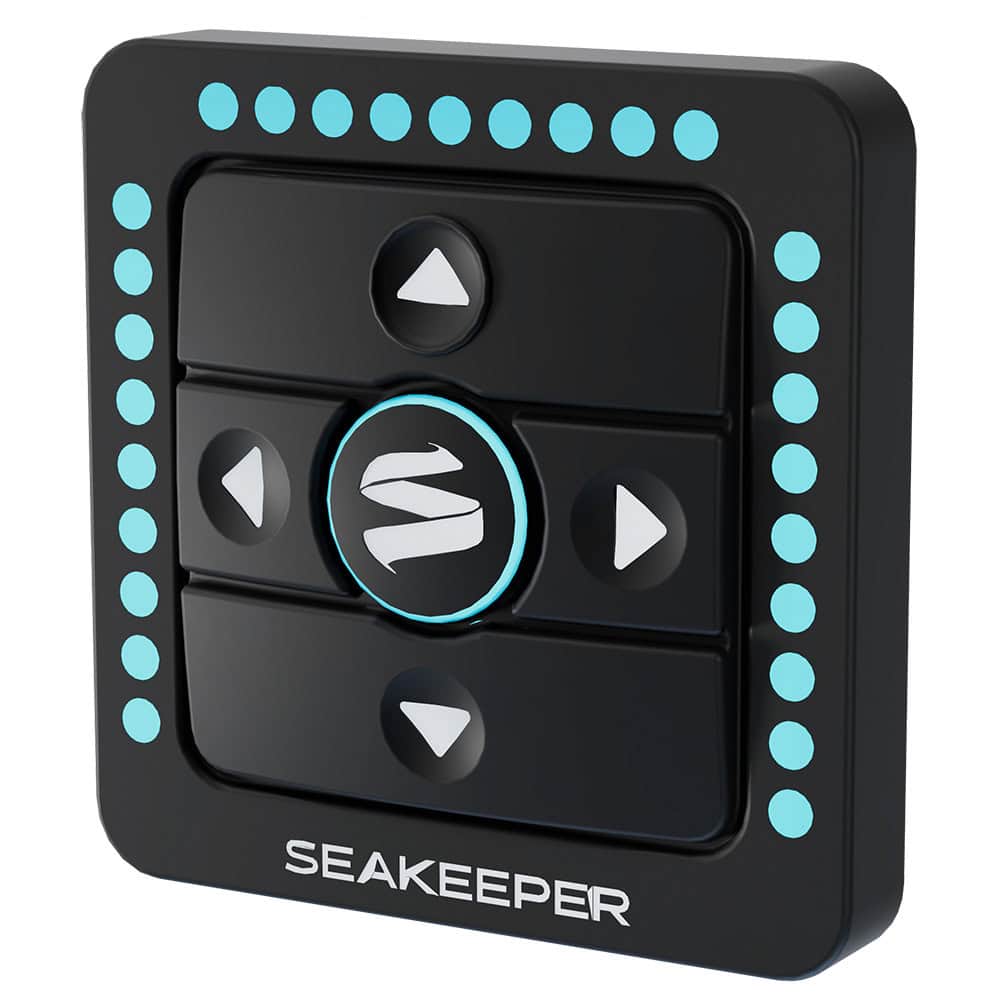
Seakeeper Ride kits include two controllers, a software module, and a distribution unit. The system does not include a helm control unit in the standard kit. Instead, you control the system through select multi-function displays from Simrad, Garmin, or Raymarine. If your boat lacks a compatible MFD, you need to purchase an optional keypad separately, though this keypad has no screen.
Sensors and Inertial Measurement Units
Both systems use built-in sensors to detect your boat’s motion and make automatic corrections. The sensors measure roll and pitch movements through an inertial measurement unit that monitors changes in real-time.
Seakeeper Ride uses a sophisticated sensing suite combined with control logic and real-time variable gain algorithm. This setup enables the system to respond quickly to changing water conditions. The sensors continuously feed data to the software module, which calculates the needed adjustments.
Zipwake’s interceptors also contain sensors that detect motion and automatically adjust blade position. The system processes sensor data through the distribution unit, which coordinates all interceptor movements for balanced performance.
Optional Keypads and Integration
Zipwake offers an integrator module that connects your system to eight different multi-function displays from various manufacturers. You can also connect wirelessly to smart devices for remote monitoring and control. This flexibility lets you integrate the system into your existing electronics setup.
The standard Zipwake kit includes everything needed for installation and operation, including all cabling to connect components. Additional interceptors, control units, and cabling are available separately if you need to expand your system.
Seakeeper Ride’s integration focuses primarily on specific MFD brands. The optional keypad provides basic control functions but lacks the visual feedback of a screen-based interface, making it less intuitive than Zipwake’s included control panel.
Compatibility and Boat Fitment
Both systems work with different boat sizes and hull types, but they offer different options for fitting various transom configurations. Zipwake provides more flexibility with multiple interceptor shapes and sizes, while Seakeeper Ride uses a simpler model selection based on boat length.
Boat Size Recommendations
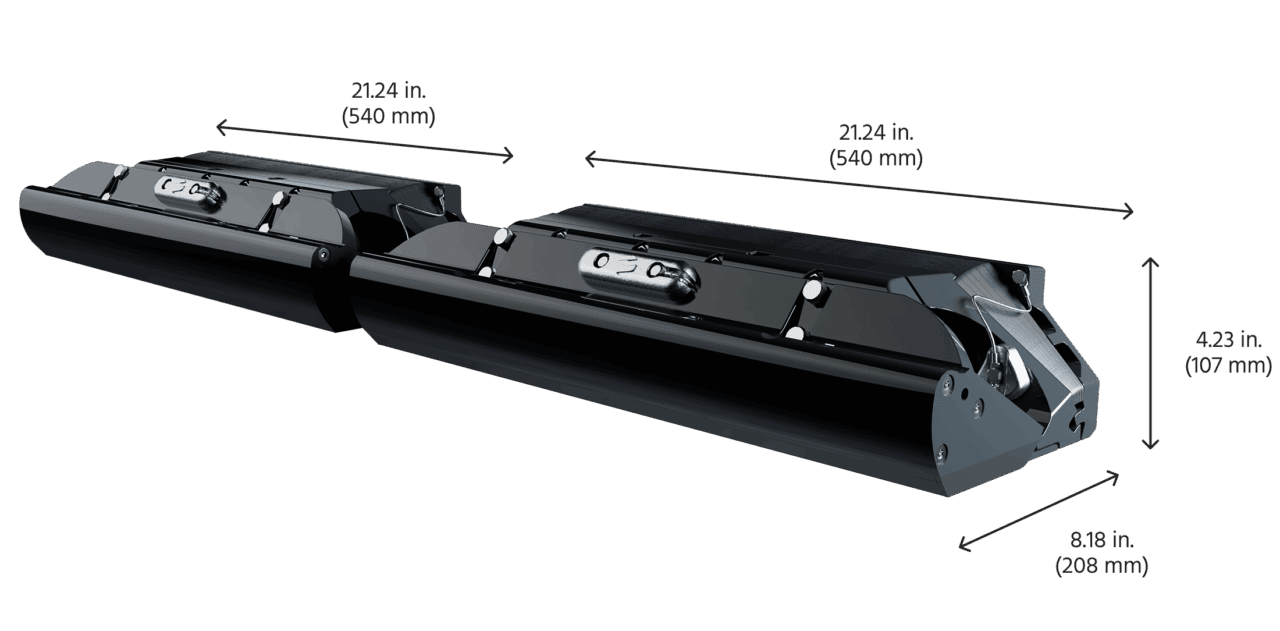
Seakeeper Ride offers four main models named by their width in millimeters: the 450, 525, 600, and 750. The Seakeeper Ride 450 works on boats up to 26 feet, the 525 fits boats from 27 to 30 feet, the 600 handles boats from 31 to 35 feet, and the 750 covers boats from 37 to 42 feet. They also offer combined models for boats up to 55 feet. All Seakeeper models use a 25mm stroke length, which limits them to smaller vessels.
Zipwake interceptors come in eight standard models ranging from the 300S to the 1000E. The Series S models use a 30mm stroke for boats from 20 to 60 feet. The Series E models feature a 60mm stroke that generates more lift for boats from 40 to over 100 feet. The Zipwake PRO series is five times faster than the original product and includes active pitch control.
Transom and Hull Requirements
Both systems need a flat transom surface for mounting. Your powerboat must have enough space on the transom to accommodate the width of the controllers or interceptors you choose.
Zipwake offers 25 different shapes and models that you can mix and match. You can run up to six interceptors on a single system, which helps when your transom is crowded with outboards, transducers, and underwater lights. They make chine interceptors for boats with a reverse chine, V-interceptors for V-shaped hulls, intermediate interceptors that fit between outboard motors, and tunnel interceptors for propeller tunnels on larger boats.
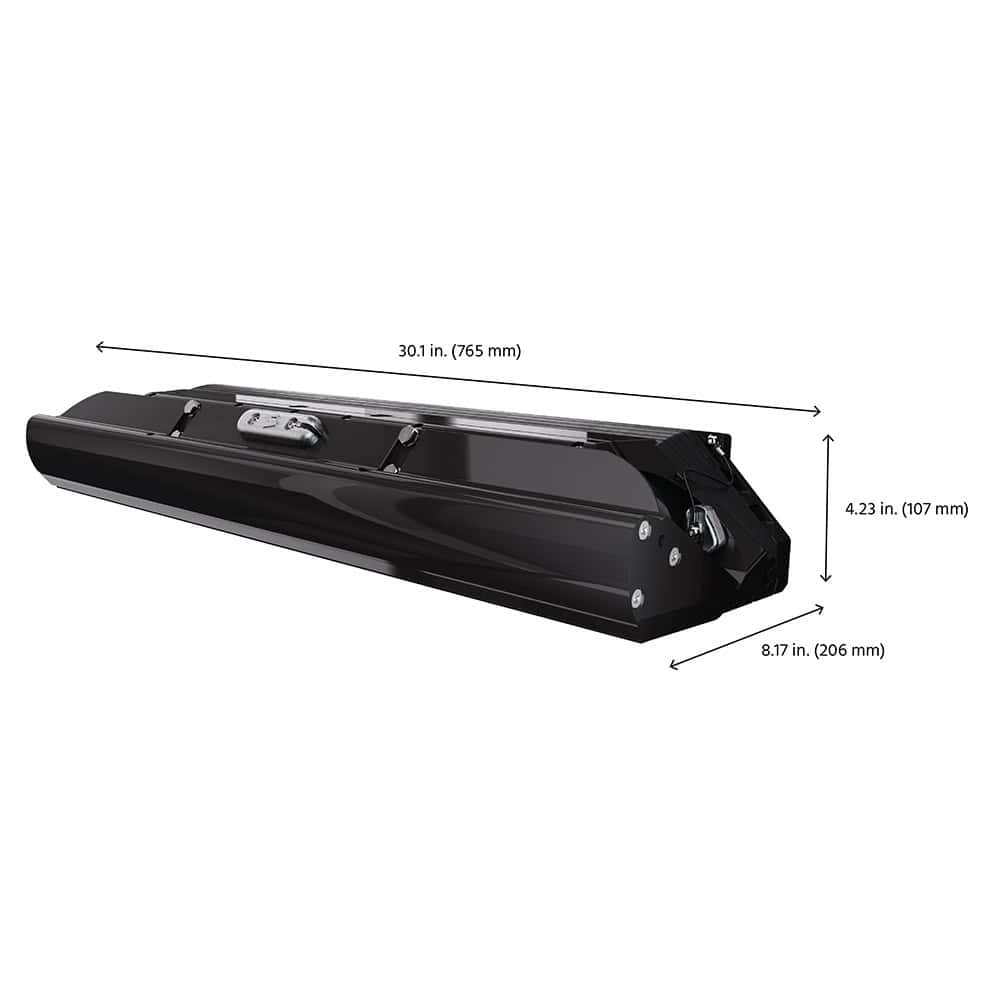
Seakeeper Ride controllers are larger and stand 8 to 9 inches off the transom, while Zipwake interceptors only extend 2.2 inches (Series S) or 3.1 inches (Series E). This makes fitting Seakeeper under swim platforms or kicker motors more challenging.
Support for Stepped Hulls
Zipwake works with stepped hull designs because you can position their interceptors in different locations on your transom. The variety of interceptor shapes lets you mount them where they’ll work best with your hull design. You can use intermediate interceptors between motors or V-interceptors at the center of the hull.
Seakeeper Ride requires consultation with their certified dealers to determine if your stepped hull is compatible. The larger size of their controllers and the fixed mounting position may limit installation options on some stepped hull configurations.
Installation and Integration
Installing these systems requires different approaches and expertise levels. Zipwake offers more flexibility for DIY installation, while Seakeeper Ride requires professional help and more intensive transom work.
Installation Process and Time
You can install Zipwake yourself using their detailed installation manual and instructional videos. The interceptors mount to your transom with several fasteners, and the system uses plug-and-play wiring that makes electrical connections straightforward.
Seakeeper Ride must be installed by a certified dealer or boat builder. You cannot purchase and install it on your own. The controllers attach using a methyl methacrylate adhesive (MMA) instead of fasteners, which bonds a backplate permanently to your hull.
The Seakeeper Ride installation requires removing all paint and gelcoat down to bare fiberglass where the backplate mounts. You need to be extremely careful not to expose fiberglass outside the backplate area since bare fiberglass below the waterline can damage your hull. The grinding work and adhesive curing time make Seakeeper Ride installations take significantly longer than Zipwake.
Zipwake interceptors stand just 2.2 inches off your transom for Series S or 3.1 inches for Series E models. Seakeeper Ride controllers are much larger at 8 to 9 inches off the transom, which makes fitting them under swim platforms or kicker motors more difficult.
Aftermarket vs OEM Fit
Over 100 boat builders in North America install Zipwake systems on new builds. The system works well as an aftermarket refit because you can choose from 25 different interceptor shapes and models. If your transom is already crowded with outboards, transducers, and underwater lights, you can mix and match different interceptor sizes to fit available space.
Zipwake offers specialized options like chine interceptors for mounting on reverse chines, V-interceptors for V-shaped hulls, intermediate interceptors for mounting between outboard motors, and tunnel interceptors for propeller tunnels. A single system can run up to six interceptors at once.
Roughly 30 boat builders currently use Seakeeper Ride systems. The larger physical size and permanent adhesive mounting make aftermarket installations more challenging, especially on boats with limited transom space.
Display and Electronics Integration
Zipwake kits include a control panel for mounting at your helm. You can also add an integrator module that connects your system to eight different multi-function displays (MFDs) or wirelessly to your smart devices.
Seakeeper Ride does not include a helm control unit in the standard kit. You need to control it through select MFDs from Simrad, Garmin, or Raymarine. If your boat does not have a compatible MFD, you can purchase a separate keypad without a screen as an add-on to the system.
Product Ranges, Options, and Cost
Both systems offer multiple models sized for different boats, with Zipwake providing more variety in interceptor shapes and sizes while Seakeeper Ride focuses on width-based models. Pricing varies widely based on boat size, with Zipwake generally offering lower entry points and more customization options.
Model Comparisons and Sizing
Zipwake offers eight different standard interceptor models named by their width in millimeters. The Series S line includes 300S, 450S, 600S, and 750S models with a 30mm stroke for boats 20-60 feet. The Series E line features 400E, 600E, 800E, and 1000E models with a 60mm stroke for boats 40-100 feet.
Seakeeper Ride currently has four base models: 450, 525, 600, and 750. The 450 works for boats up to 26 feet, while the 750 handles boats 37-42 feet. For larger vessels 43-55 feet, they offer combined units reaching 900, 1050, 1125, 1275, and 1500mm widths.
All Seakeeper models use a 25mm stroke length, which limits lift generation compared to Zipwake’s options. Zipwake also makes chine interceptors, V-interceptors, intermediate interceptors, and tunnel interceptors for specialized mounting situations. You can mix and match up to six Zipwake interceptors on one system.
Feature Sets Across Generations
The Zipwake PRO series launched in 2025 and operates five times faster than the original models. PRO versions include active pitch control and advanced features while maintaining compatibility with existing Zipwake systems. You can upgrade older systems without replacing the interceptors.
Seakeeper Ride controllers deploy at 300mm/s and use rotary actuators with complex multi-piece designs. The system stands 8-9 inches off your transom depending on wedge selection. Zipwake interceptors have a simpler three-piece design standing just 2.2 inches (Series S) or 3.1 inches (Series E) off the transom.
Both systems compete with other options like Lenco Pro Control and Humphree in the automated trim control market.
Accessories and Upgrades
Zipwake kits include two interceptors, a distribution unit, a control panel, and standard cabling. You can purchase additional interceptors, control units, and cabling separately. An integrator module connects your system to eight different multi-function displays or smart devices wirelessly.
Seakeeper Ride kits include two controllers, a software module, and a distribution module. The system requires a compatible MFD from Simrad, Garmin, or Raymarine for control. A basic keypad without a screen is available separately if your boat lacks a compatible display.
For pricing, a Zipwake 300S starts at $3,160 while a Seakeeper Ride 450 costs $4,500. At the higher end, a Zipwake 1000E PRO runs $15,840 compared to $30,175 for a Seakeeper Ride 1500. Installation costs vary based on complexity and whether you hire professionals.
Reliability, Maintenance, and User Experience
Both systems require minimal upkeep compared to traditional trim tabs, though they differ in their track records and support networks. Seakeeper Ride typically involves higher initial costs but comes with robust warranty coverage, while ZipWake has been on the market longer.
Long-Term Reliability
ZipWake entered the market several years before Seakeeper Ride, giving it a longer track record in real-world conditions. The system uses vertical interceptors that have fewer moving parts than traditional trim tabs. You’ll find that ZipWake’s interceptors mount directly to your transom, making them straightforward to inspect.
Seakeeper Ride uses rotary controllers that move significantly faster than ZipWake. While this speed delivers better performance, you might wonder about long-term durability. The controllers require professional installation with adhesive bonding to your hull.
Both systems use sealed components designed to withstand saltwater exposure. You won’t need to grease fittings or perform regular lubrication like you would with older trim tab systems.
User Feedback and Sea Trials
Testing shows that Seakeeper Ride outperformed other systems in every measurement during head-to-head comparisons. The system makes up to 100 adjustments per second, though some users question whether movements this fast actually make a difference.
ZipWake users report solid performance in controlling pitch and roll. The system uses an auto pitch control curve based on your boat’s speed. You’ll notice it deploys more blade extension during launch, then backs off as you get on plane.
Both systems handle launch control and list correction well. Owners on forums discuss how either option makes their boat feel more stable and comfortable in choppy conditions.
Dealer Support and Warranty
Seakeeper provides warranty coverage through their dealer network, though installation costs run higher than ZipWake. The adhesive-bonded controllers require more labor and expertise to install properly.
ZipWake offers support through marine dealers worldwide. If your boat already has trim tab pockets, you’ll likely need to fill them before installation. The Series S system costs around $3,500, while the Series E runs $6,430.
You should verify what warranty coverage comes with your specific system purchase. Installation quality matters significantly for both options, so choosing an experienced dealer makes a difference in long-term reliability.
Frequently Asked Questions
Buyers want to know specific details about pricing differences, speed capabilities, and real-world performance before choosing between these systems. The installation methods and actuation speeds vary significantly between the two brands.
What are the main differences between Zipwake and Seakeeper systems?
Zipwake uses vertical interceptors that bolt onto your transom. Seakeeper Ride uses rotary controllers that get glued to your hull after gel coat removal.
The systems work differently underwater too. Zipwake’s interceptors deploy vertically into the water flow beneath your boat. Seakeeper’s rotary controllers rotate to engage the water passing under your hull.
Zipwake has been around since 2015 with about 10 years of proven performance. Seakeeper Ride launched in 2022 as the newer option.
How do the costs of installing Zipwake compare to Seakeeper Ride?
Zipwake Series S starts at $3,500 for a complete system. The Series E version costs $6,430 with more advanced features.
Seakeeper Ride 450 retails for $4,500. However, the control panel appears to be sold separately as an optional extra.
Installation costs can vary between the systems. Zipwake typically requires simpler bolt-on installation if your transom is flat. Seakeeper’s gluing process and potential pocket requirements may increase labor time and expenses.
What are the performance specs between Zipwake and Seakeeper Ride systems?
Seakeeper Ride actuators move 40 times faster than Lenco Pro Control and 20 times faster than Zipwake. The Ride 450 achieves full stroke in 0.08 seconds compared to Zipwake Series E’s 1.6 seconds.
Zipwake Series E 400 offers 2.4 inches of full stroke length. Seakeeper Ride 450 provides only 1 inch of deployment distance.
The system begins having trim authority at 10 mph with full stabilization benefits starting around 20 to 25 mph. Both systems take measurements and make adjustments hundreds of times per second.
Can Zipwake systems provide the same level of stabilization as Seakeeper Ride?
Testing showed Seakeeper Ride outperformed other systems in every condition and measurement for roll and pitch stabilization. The performance results weren’t particularly close.
Zipwake still offers meaningful benefits for launch control and list correction. The system also improves both pitch and roll behavior during operation.
Zipwake Series E demonstrated 15.5 degrees of roll authority and 3.5 degrees of pitch authority. These numbers exceeded Seakeeper Ride’s 10.9 degrees roll authority and 2.4 degrees pitch authority in testing.
What are user experiences with Zipwake and Seakeeper Ride according to online forums?
One Seakeeper Ride owner found no negative reviews for their chosen system but did find some negative feedback about Zipwake. They also appreciated how easily Seakeeper integrated into their MFD.
Seakeeper dealers have told boat owners that Ride is night and day better than Zipwake. However, these comparisons come from dealers who may have financial incentives.
Some users prefer Zipwake’s proven track record since the system has been around for about 10 years. Others value Zipwake’s better selection of sizes and mounting options including chine versions.
How does the newer Zipwake PRO model compare to the standard Seakeeper Ride?
Zipwake is rolling out their PRO version as an updated higher-speed system. The new PRO model features 5 times faster reaction time than previous Zipwake versions.
You can upgrade existing Zipwake systems to PRO without replacing your interceptors. This option saves money if you already have Zipwake installed on your boat.
Zipwake offers an integrator module that connects to 8 different multi-functional displays from various manufacturers. The system also connects wirelessly to your smart devices for convenient control.