
13 Things I Wish I Knew Before Owning My First Boat: The Costly Mistakes Nobody Warns You About
Buying your first boat feels exciting until reality hits. The costs pile up faster than expected.
The maintenance never stops. Small mistakes on the water can turn into big problems.
Boat ownership involves dozens of hidden costs, safety requirements, and practical skills that no one tells you about upfront. From understanding why boat surveys aren’t optional to dealing with insurance requirements and storage fees, new owners face a steep learning curve.
This guide covers thirteen things we wish someone had explained before we bought our first boat. We’ll walk through the real costs of ownership, the safety gear you actually need, and the handling skills that matter most when you’re out on the water.
1) Boat surveys aren’t optional; they’re essential to uncover hidden problems before buying.
We learned this the hard way. Skipping a marine survey might save a few hundred dollars upfront, but it can cost you thousands down the road.
A proper pre-purchase survey helps establish that the boat exists and prevents fraud. More importantly, it reveals structural issues, engine problems, and electrical faults that aren’t obvious during a test drive.
Sellers don’t always know about or disclose every issue. Some problems hide behind fresh paint or clean upholstery.
Many insurance companies won’t cover you without a survey. Buyers can get stuck with higher premiums or outright denials because they skipped this step.
Bringing in a marine surveyor is a necessity, not a luxury. They know what to look for and where problems typically hide.
Budget for it upfront. It’s part of buying smart.
2) Insurance companies often require fixes from the surveyor before issuing a policy
When we bought our first boat, we didn’t realize the marine surveyor’s report wasn’t just informational. Insurance companies use it as a checklist of things that must be fixed before they’ll cover you.
Our insurer flagged six items from the survey. They wanted the outdated fire extinguishers replaced, corroded battery terminals cleaned, and a faulty bilge pump fixed before they’d issue the policy.
Insurance inspections help insurers assess risk before coverage begins. Safety equipment issues usually top their list.
Anything related to fire prevention, electrical systems, or through-hulls will get immediate attention. Some repairs are quick and cheap, but others aren’t.
We had to hire an electrician to rewire part of the shore power connection. It delayed our closing by two weeks and cost $800.
Budget extra time and money for post-survey fixes. Assume at least a few hundred dollars and a week or two of work.
On older boats, that number can climb fast. Read the survey carefully and get repair estimates before finalizing the purchase.
3) Winter storage can be costly; budget for shrink-wrapping or indoor storage.
We didn’t budget for winter storage our first year, and it caught us off guard. Depending on where you live and how big your boat is, you could be looking at $500 to $3,000 or more each winter.
Indoor storage is the gold standard for protection, but it’s expensive. Climate-controlled facilities can run even higher, especially for larger boats.
Shrink-wrapping is often more affordable than indoor storage. Most yards charge $15 to $25 per foot, so a 20-foot boat might cost $300 to $500 to wrap.
It’s not cheap, but it’s worth it to keep ice, snow, and critters out. You can store it at home if you have the space.
That saves money but you still need a good cover or wrap to protect the gel coat and interior from UV damage and weather. Some facilities offer winterization services along with storage, which adds to the total cost.
It’s smart to get a few quotes in late summer before spots fill up.
4) Marina slips and mooring fees vary greatly; shop around and negotiate if possible.
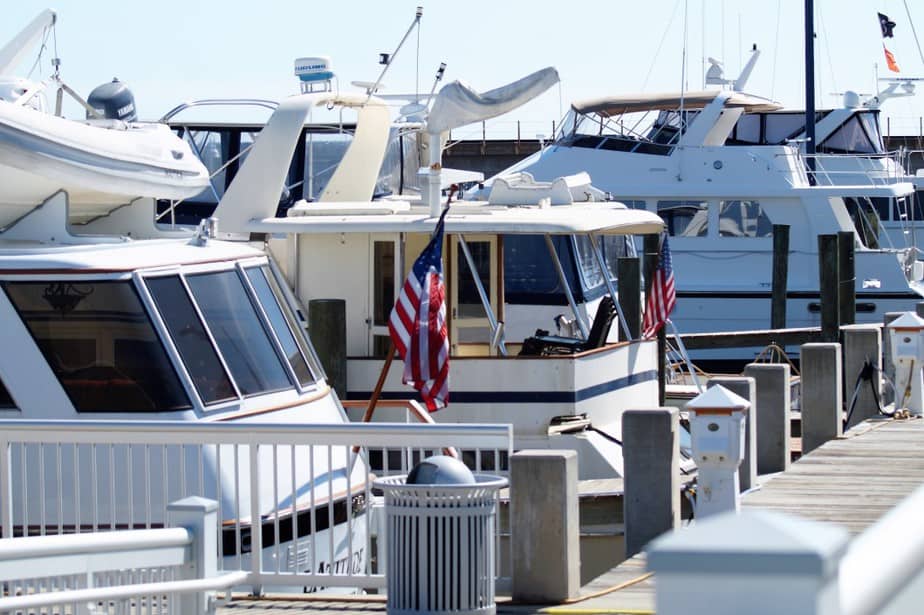
We didn’t realize how much marina fees and boat slip pricing could eat into our boating budget until we started calling around. The difference between marinas in the same area can be shocking.
Boat slip costs range from $12 to over $200 per foot per year depending on location and amenities. A 25-foot boat could cost $300 annually at a basic facility or $5,000 at a premium marina with power, water, and security.
Ask about different mooring and docking options beyond traditional slips. Mooring balls and dry storage often cost less than wet slips.
Some marinas offer seasonal rates that save money if you only boat part of the year. Don’t be afraid to negotiate.
We’ve had success asking about discounts for paying annually upfront or signing multi-year agreements. Marinas with empty slips may cut deals, especially in the off-season.
Call at least three marinas before committing. Ask about waitlists, hidden fees, and what’s actually included in the rate.
5) Maintenance takes more time and money than advertised; expect constant projects
When we bought our first boat, the seller mentioned “just basic upkeep.” That turned into weekends spent fixing things we didn’t know needed fixing.
Boats live in a harsh environment. Salt water, sun, and humidity attack everything constantly.
What looks fine one month can fail the next. Maintenance costs vary based on the type, age, and usage of your boat.
Our budget doubled in the first year. Preparing a maintenance budget ensures you have resources to keep everything running smoothly without going broke.
Plan for regular oil changes, bottom paint, zincs, and impellers as baseline costs. Then add the surprise repairs.
A corroded wire here, a leaking seal there. These add up fast.
Budget at least 10 percent of your boat’s value annually for maintenance. More if it’s older or sits in salt water.
Block out time too. We spend more hours maintaining than we expected.
6) Fuel costs and consumption add up quickly; don’t underestimate your ongoing expenses.
We learned this one the hard way. Boats burn fuel at rates that would make your car look like a Prius.
A typical outboard can use 10 to 20 gallons per hour at cruising speed. Bigger engines use even more.
That weekend trip that seemed affordable suddenly costs $150 in fuel alone. New boat owners consistently underestimate how much they’ll spend at the fuel dock.
Aggressive driving like rapid acceleration can lower fuel economy by significant amounts, and the same applies to boats. Hard throttle starts and running at full speed burns fuel fast.
Track your fuel costs for the first season. Keep receipts and log your hours.
You’ll get a realistic picture of what ownership actually costs. Small tweaks to your routine can make a big difference in consumption.
Running at three-quarter throttle instead of wide open often cuts fuel use dramatically while only losing a few knots of speed. Budget more than you think you’ll need.
If you plan for higher fuel costs upfront, you won’t feel stuck at the dock when prices jump.
7) Navigation lights, life jackets, and safety gear must meet local regulations; don’t skip this.
A marine patrol officer stopped us during our second outing. What we thought was a complete safety kit wasn’t even close to legal.
The U.S. Coast Guard sets minimum federal requirements for recreational boats, but your state can add more rules on top. We assumed one life jacket brand from a big box store would work, but it wasn’t Coast Guard-approved.
That’s an expensive mistake and a citation we could’ve avoided. Navigation lights must meet specific Coast Guard technical standards too.
Cheap LED strips from online marketplaces often aren’t certified, even if they look right. We’ve seen boaters get fined for this.
Your life jacket requirements depend on boat size and passenger count. Each person needs a properly-sized, wearable jacket in good condition.
Fire extinguishers, sound devices, and visual distress signals also have expiration dates and approval labels. Check your state’s boating agency before your first launch.
Federal minimums aren’t always enough where you’ll actually boat.
8) A good anchor and knowing how to use it will save you from many sticky situations
We’ve been in situations where our anchor was the only thing between us and serious trouble. A dragging anchor can put you on the rocks, into other boats, or stuck in a dangerous spot.
Choosing the right anchor matters because different types work better in different bottoms. A plow anchor might hold great in mud but slip in sand where a fluke anchor would dig in.
But having a good anchor isn’t enough. You need to know how to set it properly.
We always back down hard on the anchor after dropping it to make sure it’s dug in and holding. Many new boaters just toss it over and hope for the best.
We also learned the hard way that you need enough rode. The general rule is seven times the water depth in calm conditions.
In rough weather or strong current, you need more. Proper anchoring technique takes practice.
Spend time in calm conditions learning before you need it in an emergency.
9) Learn your boat’s handling quirks; what works on paper can feel very different on water
Every boat handles differently, even if they look similar on paper. We’ve seen two boats with the same hull design behave completely differently based on weight distribution, prop choice, or engine mounting.
Your boat won’t steer like a car. Most motorboats lose steering control when they lose power, and wind or current makes things harder.
We always tell new owners to practice basic maneuvers in open water first before attempting tight situations. Spend time learning how your boat turns, stops, and responds to throttle changes.
Some boats have a tight turning radius. Others need more room than you’d expect.
Take it out on a calm day with no traffic. Practice backing up, turning at different speeds, and stopping from various throttle positions.
What feels natural in theory often surprises you on the water. We recommend keeping the boat moving when maneuvering in tight spaces since most boats handle better with momentum.
Each boat has its own personality, and learning yours prevents mistakes before they happen.
10) Electrical systems on boats need regular checks; corrosion and loose wiring cause failures.
We learned this one the hard way. Boat electrical systems face conditions that house wiring never sees.
Marine electrical systems deal with moisture, vibration, and corrosion every time you’re on the water. Corrosion is the biggest enemy.
We’ve seen terminals that looked fine on the outside but were completely eaten away underneath. Corroded wires and terminals block electrical flow and cause devices to fail or act strange.
Loose connections are just as bad. They create resistance, generate heat, and eventually fail when you need them most.
From our experience, a loose battery terminal can leave you stranded just as easily as a dead battery. Regular inspections of wiring, connectors, and components prevent most problems before they happen.
We check battery terminals every few trips and look for frayed or damaged wires. It takes ten minutes and saves hours of troubleshooting later.
If you’re not comfortable working with electrical systems, have a qualified marine technician do annual checks. It’s worth the cost.
11) Docking is hard and takes practice; be patient and learn from mistakes rather than rushing
Docking gave us more trouble than anything else when we started boating. Wind, current, and boat momentum all work against you at once.
We’ve watched countless boaters bump docks and other boats because they rushed the approach. The difference between a bad skipper and a good one isn’t avoiding mistakes—it’s learning from them.
Here’s what helped us most: approach slower than you think you need to. A common rule we follow is never going faster than we’re willing to hit something at that speed.
Basic docking technique involves approaching at a 20-30 degree angle at slow speed. Use reverse gear to stop momentum, then secure your bow line first.
Wind will push your boat around more than you expect. We learned to understand which forces we can control and use them to our advantage.
The best advice we got was to practice in calm conditions first. Pick an empty dock on a weekday morning.
Each boat handles differently, so you need time to learn yours.
12) Expect the unexpected: weather changes and mechanical failures happen even to pros
We’ve learned the hard way that no matter how prepared you are, things will go wrong on the water. Weather can shift faster than any forecast predicts.
A clear morning can turn into a sudden squall before you make it back to the dock. Mechanical failures in industrial equipment often happen due to negligence in prevention procedures, and boats are no different.
Even with regular maintenance, engines overheat, fuel lines crack, and electrical systems fail at the worst possible times. The pros aren’t immune to these problems.
They just know how to handle them because they’ve dealt with enough failures to stay calm. We’ve seen experienced captains get caught in unexpected weather conditions and mechanical issues that required immediate attention.
The key is building backup plans into every trip. We carry extra tools, keep emergency contacts saved, and always tell someone our float plan.
We also leave earlier than needed so delays don’t turn into emergencies. Accept that problems will happen.
Your response matters more than avoiding them entirely.
13) Simple upgrades like a bilge pump alarm can prevent costly damage later
A bilge pump alarm alerts you when water levels rise above normal in your boat. From our experience, this is one of the cheapest and most important upgrades you can make as a new boat owner.
We’ve seen too many boats suffer serious damage because the owner didn’t know water was accumulating in the bilge. A loose hose clamp, a failed through-hull, or even a wash-down pump screen that pops off can fill your bilge fast when you’re not looking.
Basic bilge alarms with audible and visible warnings are inexpensive and easy to install. They give you a loud signal and warning light before things get serious.
More advanced systems can send alerts to your phone, which is useful if you keep your boat docked. If your boat has an enclosed bilge, you really need at least a basic alarm installed.
The peace of mind is worth far more than the small cost, and it could save you from repairs that cost thousands.
Understanding Boat Ownership Realities
The sticker price is just the beginning. Keeping your boat running takes more work than most dealers let on.
We’ve watched countless new owners get blindsided by expenses and upkeep demands they never saw coming.
Hidden Costs That Catch New Owners Off Guard
Storage alone can cost as much as a car payment. We’re talking $200 to $800 per month for a slip at most marinas.
Dry storage runs $100 to $400 monthly depending on your location and boat size. Insurance is another surprise.
Expect to pay 1% to 5% of your boat’s value annually. A $30,000 boat might cost $300 to $1,500 per year to insure.
Rates climb if you’re in hurricane zones or have limited experience. Fuel costs add up faster than you think.
A typical outboard burns 3 to 5 gallons per hour at cruising speed. At $4 per gallon, a single day on the water can easily run $50 to $100 in fuel alone.
Then there are registration fees, winterization, and other ownership expenses that vary by state. We budget at least 10% of the boat’s value each year for total ownership costs, not counting the purchase price or loan payments.
Maintenance Needs Beyond the Basics
Oil changes are just the start. Outboards need impeller replacements every year or two, lower unit oil changes, and fuel system cleaning.
We’ve seen impellers fail without warning, leaving boaters stranded miles from the ramp. Trailers rust and break down too.
Wheel bearings need repacking annually. Tires dry rot even when not used.
Lights corrode from sitting in saltwater. Boat maintenance extends well beyond the boat itself.
Upholstery cracks, electronics fail, and gel coat oxidizes. Canvas covers last three to five years before they need replacement at $500 to $2,000.
Battery maintenance is constant. Most marine batteries last only two to four seasons.
We recommend keeping a detailed maintenance log and setting aside $500 to $2,000 annually for repairs. Things break faster in marine environments.
Labor rates at boat shops often exceed $150 per hour.
Safety and Legal Must-Knows
Before you take your boat out for the first time, you need to understand the legal requirements and safety basics that apply to every boat owner. These aren’t optional—they’re required by law and critical for protecting yourself and your passengers on the water.
Registration, Insurance, and Local Rules Explained
Every state requires you to register your boat, just like a car. You’ll get a registration number that must be displayed on both sides of the bow in a specific size and color.
The registration process varies by state, but expect to pay a fee based on your boat’s length. Insurance isn’t legally required in most states, but we strongly recommend it.
We’ve seen too many boat owners face financial ruin after an accident or theft. Policies typically cover liability, collision, and comprehensive damage.
Expect to pay 1-2% of your boat’s value annually. Local rules change from state to state and even lake to lake.
Some waterways have no-wake zones, speed limits, or restricted areas you need to know about. Many states require a boater safety certificate if you were born after a certain year.
Check with your state’s boating authority before you launch.
Handling Emergencies on the Water
Every boat must carry specific safety equipment based on its size. At minimum, you need:
- Life jackets for every person (U.S. Coast Guard approved)
- Fire extinguisher (B-1 type for boats under 26 feet)
- Sound-producing device (horn or whistle)
- Visual distress signals if you go offshore
We always carry a first aid kit. A VHF radio and throwable flotation device are also important beyond what is required.
Cell phones work near shore but fail offshore. A VHF radio can save your life when you need help fast.
Know how to call for help before you need it. Channel 16 on VHF is the universal distress channel.
If you’re in immediate danger, call “Mayday” three times and give your location and situation. For less urgent issues, use “Pan-Pan” instead.